
Nature that needs looking after
Eco-tourism & protected areas
Egypt's protected areas, managed by the Egyptian Environmental Affairs Agency, cover reefs, mangroves, deserts and wetlands — among them Ras Mohammed, Wadi El Hitan (a UNESCO natural site), Wadi El Rayan, the White Desert and Saint Catherine. Lake Qarun and the Red Sea coast are also known for birdwatching.
Ideas to start with
- Fossil trails at Wadi El Hitan
- Mangroves and reefs in the south
- Birdwatching in Fayoum
- Eco-lodges in Siwa and the desert
Travel responsibly
- Stay on marked trails and respect ranger instructions.
- Choose lodges that explain how they manage water, energy and waste.
Places
- Wadi El HitanUNESCO-listed valley of fossil whales in the Fayoum desert.

© Clr202 (Christoph Rohner) at de.wikipedia · CC BY-SA 3.0 · Wikimedia Commons - Fayoum & Wadi El RayanLakes, waterfalls and desert protected areas within easy reach of Cairo.

© Ibrahim El-Mezayen · CC BY-SA 4.0 · Wikimedia Commons - Ras MohammedMarine national park at the southern tip of Sinai, a well-known dive destination.

© Diego Delso · CC BY-SA 4.0 · Wikimedia Commons - White DesertProtected area of chalk formations, known for overnight camping.

© Vyacheslav Argenberg · CC BY 4.0 · Wikimedia Commons - St Catherine & Mount SinaiSixth-century monastery below Mount Sinai, a UNESCO site sacred to three faiths.
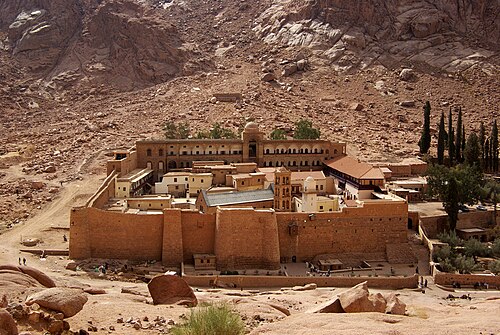
© Berthold Werner · CC BY-SA 3.0 · Wikimedia Commons - Siwa OasisRemote oasis of salt lakes, palm groves and the Oracle of Amun.

© ولاء · Public domain · Wikimedia Commons - Marsa AlamThe quiet southern Red Sea, known for turtles, dolphins and Wadi el-Gemal.

© Marc Ryckaert (MJJR) · CC BY 3.0 · Wikimedia Commons - Dahab and the Blue HoleA relaxed Gulf of Aqaba town and its famous reef sinkhole.

© Grand Parc - Bordeaux, France from France · CC BY 2.0 · Wikimedia Commons
Combine it with another way to travel
© Vyacheslav Argenberg · CC BY 4.0 · Wikimedia Commons White & Black Desert camping
A 4×4 crossing from Bahariya oasis over the volcanic Black Desert to a night among the chalk formations of the White Desert.
Desert & safariAdventure & sportEco-tourism & protected areas
Build this journey →
Sustainable Development Goals
- SDG 15Life on landTargets 15.1 and 15.5: conserve land ecosystems and halt the loss of biodiversity — relevant to desert and protected-area travel.
- SDG 14Life below waterTarget 14.7 names tourism among the sustainable uses of marine resources; 14.2 calls for protecting marine and coastal ecosystems.
- SDG 13Climate actionIntegrate climate measures into planning — for travel, through lower-carbon transport choices and resilient coastal and heritage sites.
- SDG 12Responsible consumption and productionTarget 12.b: develop and use tools to monitor the sustainable-development impacts of sustainable tourism.
Sources
Editorial overview. Opening hours, prices, permits and access rules change: confirm them with the responsible authority or a licensed operator before you travel.